Key Takeaways
- Wearable technology in 2026 offers unprecedented integration of biometric sensors, enhancing health and fitness monitoring.
- Devices now provide real-time health data that empower users to personalize their fitness regimes effectively.
- The market is dominated by advanced smartwatches, fitness trackers, and hybrid wearables that seamlessly blend function and style.
- Wearables are revolutionizing chronic condition management by offering continuous health insights and alerts.
- Integration with smartphone ecosystems is deeper than ever, enabling comprehensive user health analytics and lifestyle improvements.
Introduction
Wearable technology continues to evolve at an extraordinary pace, with 2026 marking a significant leap forward in the health and fitness sector. These innovative devices no longer just count steps or calories but deliver highly sophisticated biometric data that supports comprehensive wellness management. From monitoring heart rhythms and oxygen levels to stress and sleep patterns, wearable gadgets are increasingly becoming essential companions for individuals serious about optimizing their health.
This year’s advancements place an emphasis on accuracy, user convenience, and integration with broader health platforms, transforming the way consumers interact with their personal health information. As wearables become more intuitive and indispensable, they are reshaping fitness routines and chronic disease management with actionable insights. In this article, we explore the top trending wearable technologies of 2026, their strategic impact on health and fitness, and consider how they are empowering users to redefine wellness.
Advancements in Wearable Health Devices
Next-Level Biometric Sensors
The latest wearable devices incorporate multi-spectrum sensors capable of tracking diverse physiological metrics in real time. Innovations include continuous glucose monitors, advanced ECG capabilities, and hydration sensors that provide data with clinical-grade reliability. This multi-parameter approach ensures users gain a comprehensive view of their body’s state at any time.
AI-Driven Health Analytics
Artificial Intelligence integration within wearables has advanced analytics beyond raw data collection. AI algorithms interpret complex biometric trends, predicting potential health risks and offering personalized recommendations. This predictive modeling enhances preventive healthcare and optimizes fitness plans dynamically.
Enhancing Personal Fitness Regimes
Adaptive Workout Guidance
Wearables in 2026 deliver real-time adaptive coaching, adjusting exercise intensity, duration, and type based on user biometric feedback. This personalization improves workout effectiveness and injury prevention, particularly valuable for athletes and fitness enthusiasts.
Seamless Integration with Fitness Ecosystems
These devices integrate fluidly with fitness apps and smart equipment, creating holistic ecosystems where data syncs across platforms. This interconnectedness fosters enhanced motivation and accountability, driving better health outcomes.
Impact on Health Monitoring and Management
Chronic Condition Management
Wearables are critical in managing chronic illnesses such as diabetes, cardiovascular disease, and respiratory conditions. Real-time alerts and continuous data capture enable timely interventions and improve patient-clinician communication, reducing hospital visits and improving quality of life.
Remote Patient Monitoring
The integration of wearable data into telehealth platforms expands healthcare access beyond traditional settings. Patients receive continuous care remotely, enhancing monitoring precision and allowing for quick adjustments in treatment plans.
Top Trending Wearable Gadgets in 2026
Smartwatches & Fitness Trackers
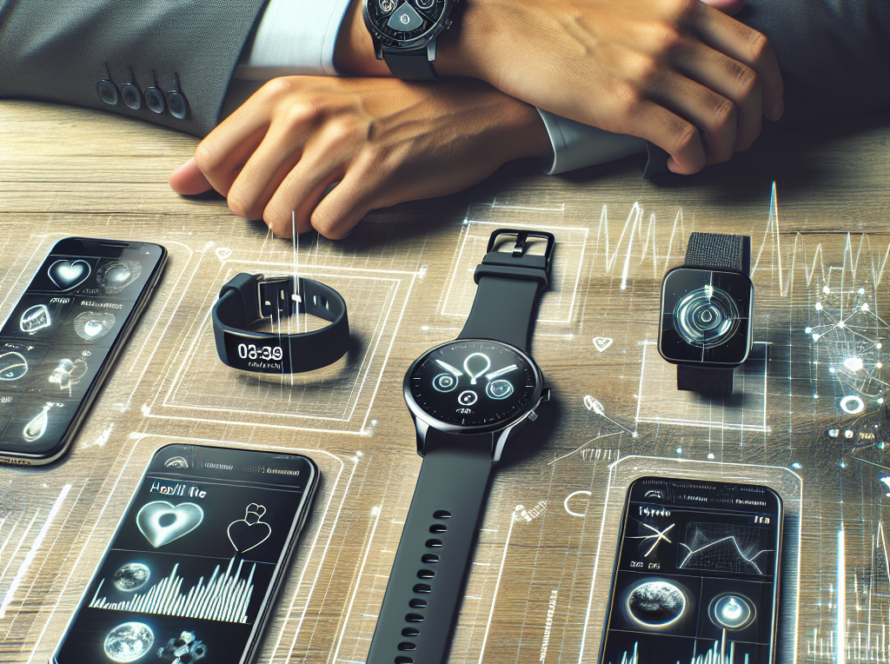
Continuing as market leaders, smartwatches and sophisticated fitness trackers dominate due to their multifunctionality and stylish designs. For detailed insights on these devices and their evolution, explore the Smartwatches & Fitness Trackers: 2026 Wearable Trends article.
Hybrid Wearables and Beyond
Hybrid models combining analog watch aesthetics with embedded fitness technology cater to users valuing both fashion and function. Additionally, emerging categories like smart clothing and advanced ear-worn sensors open new frontiers in wearable tech.
Market Innovations & Consumer Preferences
Consumer demand drives innovation focusing on battery longevity, waterproofing, and comfort, with manufacturers responding to trends outlined in Foldable Electronics 2026 Trends: Market Innovations & Insights, reflecting the broader electronics landscape’s push for adaptable form factors and user convenience.
Conclusion
The wearable tech landscape in 2026 is vibrant and transformative, substantially advancing health and fitness management. With innovative biometric sensors, AI-driven analytics, and seamless ecosystem integration, wearables empower users to maintain proactive and personalized wellness journeys. The fusion of technology and health not only enhances personal fitness but also supports chronic condition management and remote patient care. As these devices become increasingly sophisticated and accessible, they set new standards for health monitoring, promising an era of smarter, data-driven living.
Frequently Asked Questions
What biometric metrics are wearable devices tracking in 2026?
Modern wearables monitor a wide range of metrics including heart rate variability, blood oxygen saturation, glucose levels, hydration status, sleep quality, and stress indicators, providing a full picture of user health.
How do wearables improve fitness workout plans?
Wearables analyze real-time physiological data to adapt workouts dynamically, recommending adjustments to intensity, rest, and exercise type tailored to individual responses, improving results and reducing injury risk.
Can wearable devices assist in managing chronic diseases?
Yes, wearables provide continuous monitoring and real-time alerts that help track conditions like diabetes and heart disease, enabling timely interventions and improving communication with healthcare providers.
Are there privacy concerns with wearable health data?
Privacy is a critical consideration, with manufacturers implementing robust encryption and user consent protocols. Users should opt for devices that comply with relevant health data regulation standards.
What are the must-have wearable gadgets trending in 2026?
Essential gadgets include next-generation smartwatches, fitness trackers with extended biometric capabilities, hybrid wearables, and smart clothing integrating sensors for continuous health feedback.
For a broader overview of emerging gadgets influencing daily life along with wearables, visit the Top Trending Electronics and Gadgets of 2026 Revealed coverage.