Key Takeaways
- Wearable technology in 2026 is advancing with sophisticated health-monitoring capabilities, improving personal wellness and early condition detection.
- Integration of wearables with smart homes enhances automation and personalized living environments through seamless connectivity.
- Fashion-tech hybrids are emerging, blending wearable functionality with cutting-edge style to drive consumer adoption.
- Despite rapid innovation, challenges remain in user data privacy, battery life, and device interoperability.
- Future wearable innovations will focus on AI-driven analytics, flexible materials, and expanded health applications.
Introduction
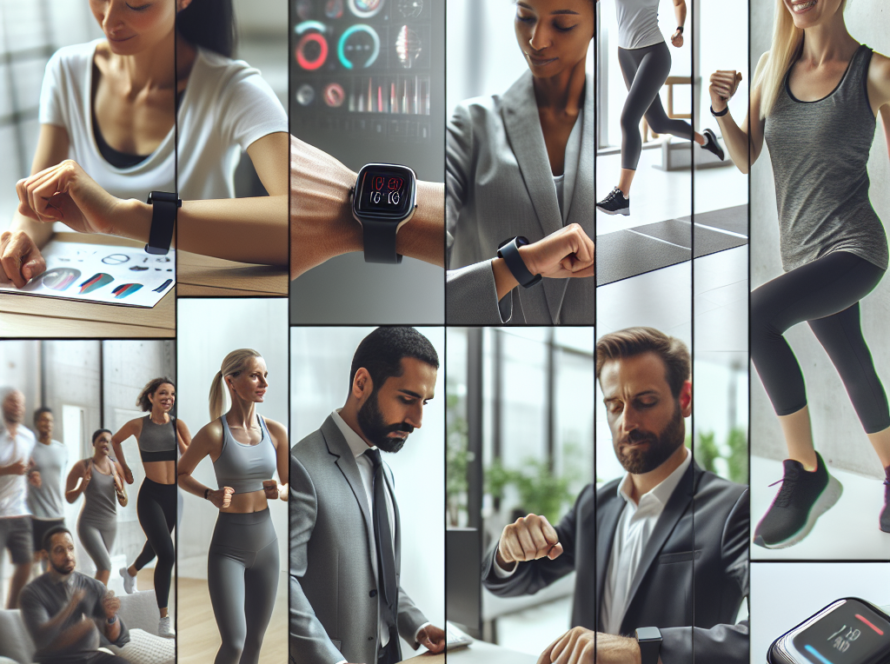
As we approach 2026, wearable technology continues to revolutionize the way consumers engage with their health, homes, and fashion. This rapidly evolving sector blends cutting-edge electronics with daily lifestyle to create devices that do more than tell time or count steps. Today’s wearables feature advanced health-monitoring sensors that track vital metrics in real-time, a crucial step forward in preventive healthcare. Beyond personal wellness, these devices are increasingly interconnected with smart home systems, allowing users to automate environments and streamline everyday tasks effortlessly. Parallelly, the fusion of fashion and technology is redefining consumer expectations, with stylish wearables becoming key fashion statements. In this article, we delve into the multifaceted trends shaping wearable tech in 2026, analyze consumer adoption dynamics, and explore promising innovations on the horizon.
Advanced Health Monitoring Features
Innovations in Sensor Technology
Wearables in 2026 feature unprecedented sensor precision capable of analyzing complex health indicators such as hydration levels, blood glucose without needles, and even early signs of respiratory conditions. Enhanced photoplethysmography (PPG) sensors combined with AI algorithms allow for continuous cardiovascular monitoring and arrhythmia detection, providing actionable insights directly to users and healthcare providers alike. These advancements empower proactive health management and reduce hospital visits.
Personalized Wellness and Beyond
Integration of biometric data with AI-driven coaching platforms enables personalized exercise regimens, nutritional guidance, and stress management techniques. Wearables now act as holistic health assistants that adapt dynamically to a user’s lifestyle and evolving wellness goals.
Integration of Wearables with Smart Homes
Seamless Connectivity and Control
Wearable devices are becoming central controllers in smart homes, able to adjust lighting, thermostat settings, and security systems based on user biometrics and preferences. For instance, heart rate fluctuations could trigger calming environmental adjustments automatically. This synergy is supported by advancements in IoT protocols ensuring low latency and robust security.
Enhancing Accessibility and Convenience
Integration allows wearables to act as keys or authentication devices for home access while providing health status updates to family members or healthcare services remotely. Home automation combined with wearable inputs cultivates safer and more responsive living spaces.
The Rise of Fashion-Tech Hybrids
Wearable Devices as Fashion Statements
In 2026, consumer demand drives the convergence of style and technology, leading to wearables that serve dual purposes. Smart jewelry, digital fabric integration, and customizable aesthetic interfaces enable devices to blend seamlessly with personal style. Collaborations between tech firms and fashion houses are prominent.
Materials Innovation and Design Flexibility
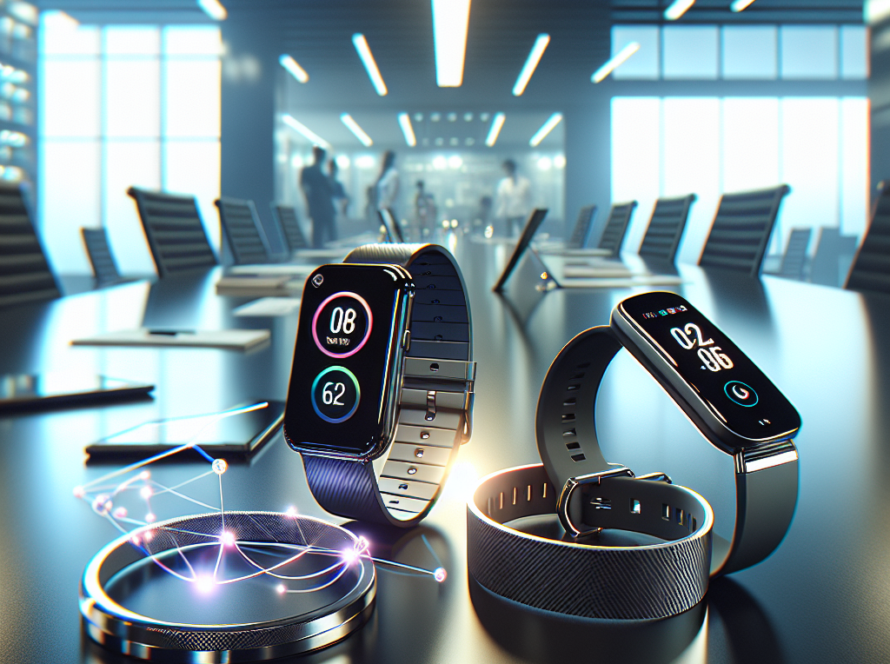
Flexible, lightweight materials and advanced miniaturization allow manufacturers to create sleek, durable wearables without sacrificing performance. This trend attracts a wider market by removing the stigma of bulky or clinical-looking devices.
Consumer Adoption Trends and Challenges
Increasing Adoption and Demographic Insights
Broader demographic acceptance, including older adults and children, is fueled by improved usability and function tailored to diverse needs. However, privacy concerns regarding sensitive health data and the need for longer battery life remain significant obstacles.
Addressing Interoperability and Data Security
Standardization efforts are underway to ensure that wearables can communicate effectively across ecosystems, enhancing user experience and trust. End-to-end encryption and transparent data management practices are critical to fostering confidence in wearable solutions.
Future Innovations Forecast
AI and Predictive Analytics Integration
Upcoming wearables will leverage artificial intelligence to not only monitor but also predict health events, enabling preemptive interventions. This predictive approach could transform chronic disease management and recovery.
Expanding Use Cases and Capabilities
Beyond health and smart homes, wearables are expected to advance in augmented reality applications, environmental sensing, and enhanced communication platforms. The market is poised for rapid expansion fueled by these multidimensional functionalities.
For a broader context on emerging trends in electronics, readers can explore Top Trending Electronics and Gadgets of 2026 as well as insights on how smart technology is transforming residences at Smart Gadgets Revolutionizing Homes in 2026.
Conclusion
The evolution of wearable technology in 2026 clearly transcends traditional functions, incorporating sophisticated health monitoring, integrated smart home control, and fashion-forward designs. As innovation accelerates, embracing these devices promises to enhance well-being, convenience, and personal expression. However, addressing challenges like data privacy, interoperability, and user comfort is essential to sustain momentum. Stakeholders must continue advancing technologies while placing consumer trust and usability at the forefront to unlock the full potential of this dynamic sector.
Frequently Asked Questions
What new health features are wearables offering in 2026?
Wearables now include advanced sensors capable of monitoring hydration, blood glucose, respiratory functions, and cardiovascular health with greater accuracy, providing users personalized and actionable health insights.
How do wearables connect with smart home devices?
Wearables serve as control hubs that interact with smart home systems through IoT protocols, enabling automatic environmental adjustments based on biometric and user preference data.
Are wearable fashion-tech hybrids widely adopted?
Yes, these hybrids are growing in popularity due to their stylish designs that integrate seamlessly with daily attire, attracting users who value both functionality and aesthetics.
What are the biggest challenges facing wearable tech adoption?
Key challenges include data privacy concerns, limited battery life, interoperability issues between different devices, and the need for devices to be comfortable for diverse users.
What future innovations are expected in wearable technology?
Future wearables are expected to incorporate AI for predictive health analytics, use flexible materials for comfort, and broaden applications into augmented reality and environmental sensing.