Key Takeaways
- Wearable technology in 2026 integrates advanced health monitoring with lifestyle enhancements.
- Smartwatches and health sensors provide precise, real-time biometric data for personalized care.
- Wearables boost productivity through seamless connectivity and AI-driven insights.
- Innovations focus on user-centric design, ensuring comfort and intuitive interface experiences.
- Emerging features like AI coaching and environmental sensing redefine daily interactions.
Introduction
Wearable technology continues to evolve rapidly, shaping how individuals monitor their health and interact with their environment. In 2026, these devices transcend traditional functionality by combining cutting-edge sensors, artificial intelligence, and seamless integration with smart ecosystems. This transformation fosters healthier lifestyles and greater productivity, empowering users through personalized real-time data and actionable insights. From smartwatches with sophisticated biometric capabilities to wearables that enhance daily routines, the latest innovations unlock unparalleled convenience and well-being benefits.
As wearables become an indispensable part of personal health management and lifestyle optimization, understanding the latest trends and technological breakthroughs is essential for consumers and industry stakeholders alike. This article explores the forefront of wearable tech in 2026, highlighting key innovations, health applications, and their impact on productivity and personalized experiences.
Advancements in Health Monitoring Wearables
Integration of Advanced Biometric Sensors
Recent advancements have equipped wearables with multidimensional sensors capable of tracking vital parameters such as blood oxygen levels, glucose monitoring, hydration status, and even stress biomarkers. These sensors deliver medical-grade accuracy, improving preventive care and chronic condition management. The continuous health data flow enables timely interventions and empowers users with actionable health intelligence.
Seamless Smartwatch Connectivity
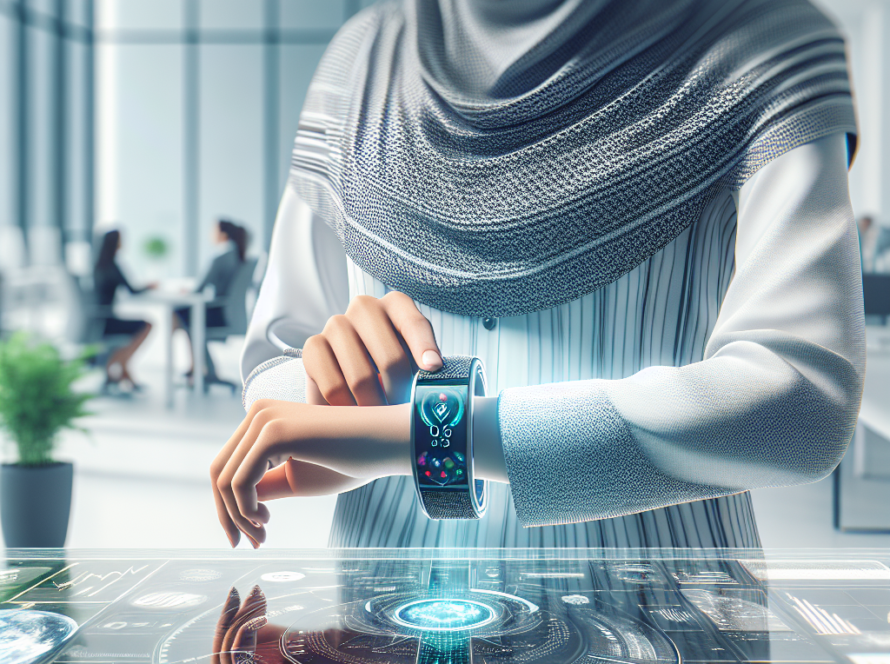
Smartwatches now serve as the central hub, aggregating data from multiple sensors and communicating with healthcare providers and wellness apps in real time. Enhanced algorithms analyze trends and notify users of any anomalies, promoting proactive health management. This interconnected ecosystem leverages AI to customize alerts and suggestions, making health monitoring a seamless part of the user’s daily routine.
Wearables Enhancing Lifestyle and Productivity
Personalized User Experience Through AI
AI-powered wearables adjust interfaces and functions based on user behavior and preferences. From adaptive fitness coaching to mood tracking and productivity reminders, these devices offer tailored support that aligns with individual goals. The integration of voice assistants and gesture controls furthers convenience, minimizing disruption and maximizing engagement.
Environmental Awareness and Contextual Feedback
New wearable models incorporate environmental sensors to monitor air quality, UV exposure, and noise levels. By providing contextual feedback, users can make informed decisions about their surroundings, contributing to improved wellbeing. This synergy between personal health metrics and environmental data amplifies the holistic benefits of wearable tech.
Innovative Features Shaping the Future of Wearables
AI Coaching and Predictive Analytics
The emergence of AI coaches within wearable platforms offers users personalized guidance, from exercise optimization to stress management. Predictive analytics identify patterns before symptoms appear, enabling proactive and preventive care. These features not only improve health outcomes but also foster sustained lifestyle changes by providing motivation and accountability.
Design and Comfort Innovations
Advances in materials and ergonomic design ensure wearables remain comfortable for prolonged use without sacrificing functionality. Flexible displays, longer battery life, and waterproofing enhance usability across diverse activities and environments. These improvements prioritize user adherence, crucial for maximizing the benefits of wearable technology.
Conclusion
Wearable technology in 2026 is revolutionizing health and lifestyle through robust sensor integration, AI-driven personalization, and enhanced environmental awareness. These innovations position wearables not only as fitness accessories but as indispensable tools for comprehensive well-being and productivity. Staying informed about these trends is vital for harnessing the full potential of wearable tech in supporting healthier, more efficient lives.
For further insights on the broader electronics landscape influencing wearables, explore our analysis of the top electronic gadget trends shaping 2026 and a closer look at the wearable tech trends transforming lifestyles this year.
Frequently Asked Questions
What are the most significant health benefits of 2026 wearable devices?
Modern wearables offer real-time monitoring of vital signs, predictive analytics for early detection of health issues, and personalized coaching to enhance fitness and mental well-being.
How do wearables contribute to productivity improvements?
By integrating AI and contextual awareness, wearables provide reminders, optimize schedules, reduce distractions through smart notifications, and help maintain focus through stress and activity tracking.
Are these wearable devices comfortable for all-day use?
Yes, improvements in lightweight materials, ergonomic design, and breathable components make wearables comfortable for extended wear across diverse activities.
How secure is the personal data collected by wearables?
Manufacturers in 2026 apply advanced encryption standards and privacy-focused protocols to ensure data security and user control over personal health information.
Can wearables replace traditional medical devices?
While wearables provide significant health insights, they complement rather than replace clinical devices. They serve as continuous monitoring tools that aid in health management and preventive care.