Key Takeaways
- AI integration in consumer electronics is revolutionizing user personalization and device intelligence in 2026.
- Smart home devices incorporate advanced AI features enhancing automation, security, and intuitive control.
- Personalized AI-driven tech solutions improve usability and adapt to individual consumer needs.
- AI advancements strengthen user safety with enhanced threat detection and proactive security measures.
- Quantum computing and edge AI are accelerating innovation, shaping the future of electronics beyond 2026.
Introduction
In 2026, the consumer electronics sector is undergoing transformative changes powered by artificial intelligence (AI). This evolution is not merely about smarter devices but about creating deeply personalized experiences that seamlessly fit into everyday life. AI-driven innovation is embedding intelligence into electronics, elevating performance, adaptability, and user safety to new heights. From smart home ecosystems to wearable tech, AI is redefining how consumers interact with technology, enabling devices to proactively respond to needs and preferences with unprecedented precision.
This article explores the key trends behind AI-driven consumer electronics advancements, highlights 2026’s cutting-edge implementations in smart homes, and examines strategic implications for businesses and consumers. We will also review how AI is enhancing security and safety features and look ahead to the emerging technologies that will continue shaping this dynamic industry.
AI Enhancing User Experiences in Consumer Electronics
Personalization Through Machine Learning
Modern electronics leverage sophisticated machine learning algorithms to analyze user behavior and preferences, delivering highly customized functionalities. Devices learn over time, adjusting interfaces, notifications, and operational modes to optimize convenience. This personalization increases engagement and satisfaction by anticipating user intent without manual input.
Adaptive Interfaces and Intelligent Automation
AI enables devices to modify their interfaces based on environmental factors and user context. Smart assistants and adaptive controls empower seamless voice, gesture, and sensor-based interactions. Intelligent automation decreases the need for manual adjustments, streamlining user workflows and enhancing accessibility.
Advancements in Smart Home AI Features in 2026
Integrated AI & IoT for Smarter Living
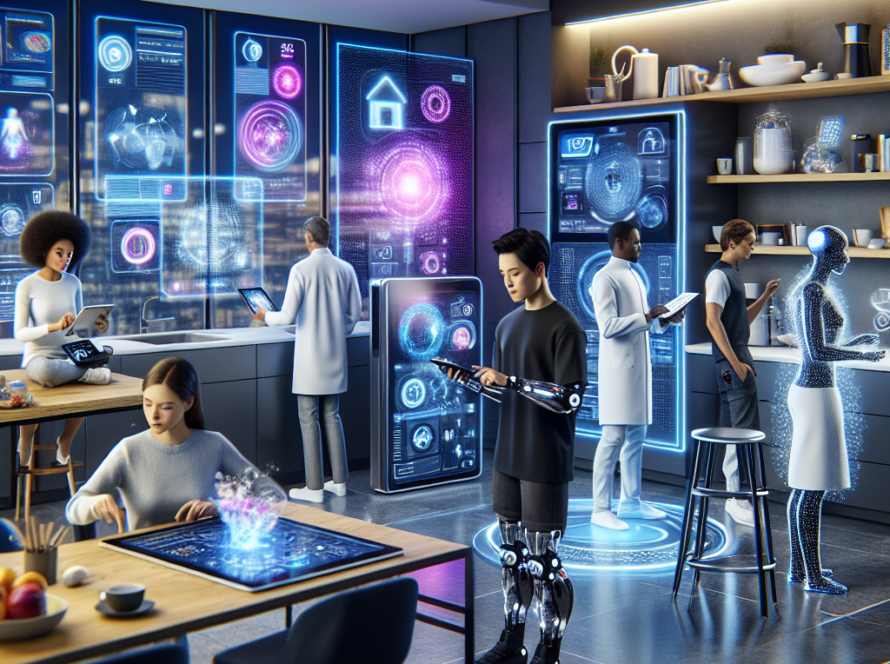
IoT devices integrated with AI capabilities create cohesive smart home ecosystems that adapt dynamically to inhabitant patterns. These systems improve energy efficiency, automate routine tasks such as lighting and climate control, and provide situational alerts to enhance security. Explore how AI & IoT are transforming smart homes in 2026 to understand this ecosystem’s full scope.
Security and Safety Innovations
AI-powered surveillance and threat detection systems utilize facial recognition and anomaly detection to identify risks in real time. These measures enable proactive responses to emergencies and augment traditional security infrastructure. Integration of AI with home access controls ensures enhanced protection against unauthorized intrusion.
Personalized Tech Solutions Driven by AI Innovations
Wearable Technology and Flexible Electronics
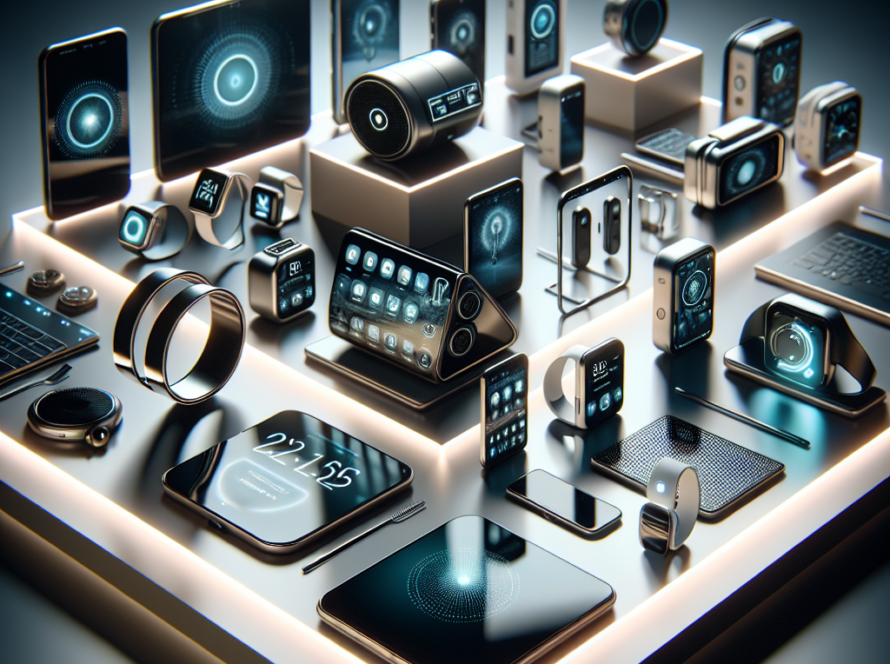
Wearables benefit from AI by tracking health metrics accurately and providing actionable insights personalized for each user. The adoption of flexible electronics technology allows wearables and other consumer devices to conform better to users’ bodies, improving comfort and functionality. Discover how flexible electronics are revolutionizing wearable tech in 2026 for deeper insights.
Voice and Gesture Recognition Improvements
AI advances have refined voice assistants and gesture recognition systems, enabling more natural and intuitive interaction modes. These improvements reduce friction in device control and open new accessibility options for diverse user groups.
AI-Driven Improvements in User Safety and Security
Proactive Threat Detection and Response
Artificial intelligence integrates predictive analytics to detect unusual patterns and potential hazards before they escalate. Consumer electronics equipped with such intelligence can alert users and initiate protective actions autonomously.
Privacy-First AI Implementations
Companies are prioritizing user data protection by incorporating privacy-enhancing AI algorithms that process information locally on devices, reducing exposure risks while maintaining intelligence and responsiveness.
Future Trends: AI’s Role in Shaping Electronics Beyond 2026
Quantum Computing and AI Synergies
Quantum computing advancements are accelerating AI’s capacity to process complex data sets and optimize algorithms efficiently. This synergy is opening new frontiers in consumer electronics performance and innovation speed. For an in-depth view, consult Quantum Computing Revolutionizing AI in 2026.
Edge AI and Distributed Intelligence
The proliferation of edge computing enables AI processing closer to data sources, reducing latency and improving real-time decision-making. This is critical for applications requiring immediate responses, such as autonomous controls in electronics.
Conclusion
The AI-driven evolution in consumer electronics has entered an exciting phase in 2026, marked by smarter, safer, and more personalized user experiences. Innovations in smart home integration, flexible wearable tech, and AI-enhanced security systems are setting new industry standards. With continuous advances in quantum computing and edge intelligence, the landscape is poised for even more transformative changes. Businesses and consumers that embrace these developments will experience elevated efficiency, engagement, and trust in technology.
Frequently Asked Questions
How does AI personalization improve consumer electronics?
AI personalization analyzes user behavior to adapt device functions and interfaces, delivering customized experiences that increase usability and satisfaction.
What are the main AI enhancements in smart home technologies for 2026?
Key enhancements include integrated AI and IoT systems for automation, advanced security with real-time threat detection, and adaptive environmental controls.
In what ways does AI improve safety in consumer electronics?
AI enhances safety by enabling predictive threat detection, autonomous response actions, and incorporating privacy-first data processing techniques.
How is quantum computing impacting AI in electronics?
Quantum computing accelerates AI algorithm processing and optimization, enabling more complex data analysis and fostering innovation in electronics design and capability.
Why is edge AI important for consumer devices?
Edge AI processes data near the source, reducing delay and allowing real-time responses essential for applications like autonomous controls and dynamic security measures.