Key Takeaways
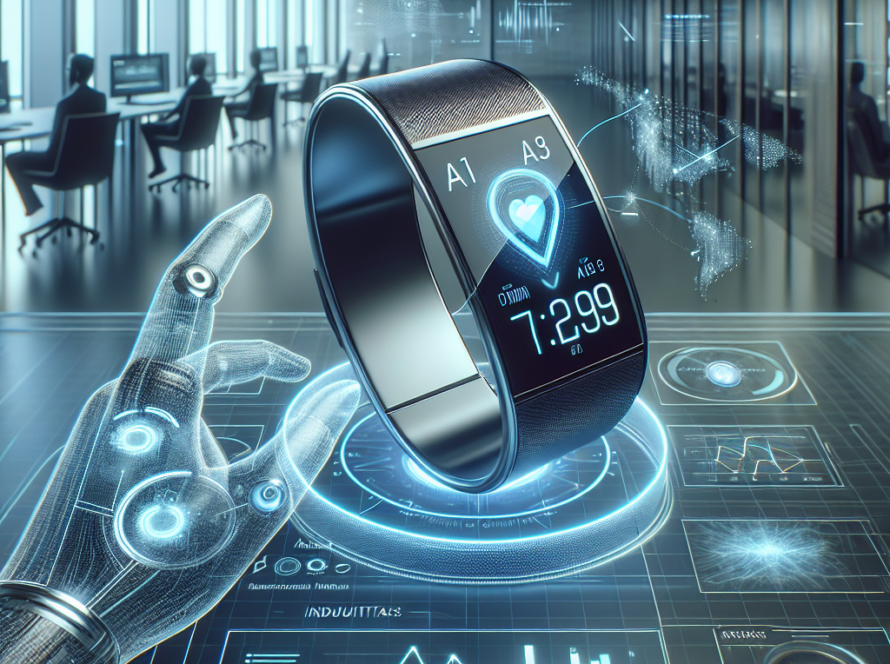
- AI integration is enhancing electronic devices’ functionality and energy efficiency.
- Emerging AI features are significantly improving user experience across consumer electronics.
- Key trends include AI-powered edge computing, advanced semiconductor tech, and quantum computing influence.
- AI-driven improvements lead to smarter, faster, and more reliable electronics in 2026 and beyond.
- The ongoing convergence of AI and electronics heralds transformative shifts in multiple industries.
Introduction
In 2026, artificial intelligence (AI) continues to reshape the landscape of the electronics industry. The convergence of AI and cutting-edge electronic technologies is ushering in a new era where devices are not only smarter but also significantly more efficient and adaptive. From consumer gadgets to industrial electronics, AI integration is enhancing performance, user interaction, and energy management at an unprecedented scale.
This article delves into the latest AI innovations transforming electronics in 2026, highlighting the driving trends behind this evolution. We will examine how AI-powered enhancements improve device functionality and user experience, supported by advancements in semiconductor technology and quantum computing. Further, we explore the implications of these technologies across various sectors and anticipate the future trajectory of AI-enabled electronics.
AI Integration Enhancing Electronic Devices
Adaptive Functionality and Efficiency
AI-enabled electronics have evolved beyond fixed programming to adaptive learning systems capable of optimizing performance in real-time. Devices now leverage machine learning algorithms to analyze usage patterns and environmental conditions, dynamically adjusting their operations to conserve energy and enhance durability. This capability is especially crucial in battery-powered electronics and IoT devices, where energy efficiency directly impacts functionality and lifespan.
Smarter User Experiences
Advancements in AI are revolutionizing user interfaces, making devices more intuitive and responsive. Voice recognition, gesture control, and predictive analytics have become integral in consumer electronics, enabling seamless interactions that anticipate user needs. By processing vast amounts of data locally via on-device AI, privacy concerns are minimized while maintaining efficiency.
Key Trends in AI-Driven Consumer Electronics
Edge AI and On-Device Intelligence
The shift towards edge AI allows electronics to perform complex data processing directly on the device, reducing latency and dependency on cloud networks. This development enhances application responsiveness and reliability, especially in areas with limited connectivity. Products benefiting from this trend range from smart home devices to wearables and autonomous systems.
Semiconductor Advancements Fueling AI Hardware
At the core of these innovations are breakthroughs in semiconductor technology. Next-generation chips designed specifically for AI workloads deliver higher processing speeds and lower power consumption. For more detailed insights on these hardware developments, see the comprehensive analysis in Semiconductor Advancements Fuel AI Hardware Revolution.
Quantum Computing’s Emerging Role
Quantum computing increasingly influences AI and electronics by enabling complex computations at speeds unattainable by classical hardware. Although still in a nascent stage, its integration promises transformative efficiency and capability enhancements. Explore further the synergy between quantum computing and AI in electronics at Quantum Computing Enhancing AI & Electronics by 2026.
Impact of AI on Device Efficiency and Performance
AI’s role extends beyond intelligence to optimizing hardware operation and system management. Predictive maintenance algorithms identify and diagnose potential issues before they cause failure, significantly reducing downtime. Additionally, AI-driven power management algorithms balance performance demands with energy conservation, essential for both portable devices and large-scale electronics.
Furthermore, devices increasingly incorporate AI to adaptively allocate resources, improving multitasking capabilities and enhancing overall user satisfaction. As noted in AI in Electronics 2026: Revolutionizing Industries, these advancements position electronics to meet growing computational demands while maintaining sustainable operation.
Future Outlook of AI in the Electronics Industry
The trajectory of AI-enabled electronics points towards deeper integration and more autonomous systems. Emerging AI models will likely empower electronics to undertake more complex decision-making tasks, enabling innovations in fields such as healthcare, automotive, and smart infrastructure. Coupled with continuous hardware improvements and quantum breakthroughs, AI promises a highly connected, intelligent electronic ecosystem by the end of the decade.
Moreover, sustainability considerations will drive the development of AI that not only enhances performance but also minimizes environmental impact. This holistic approach is critical for responsible innovation in electronics technology.
Conclusion
AI innovations are fundamentally transforming electronics in 2026, delivering devices that are smarter, more efficient, and capable of providing richer user experiences. From adaptive algorithms to hardware breakthroughs and quantum advances, AI integration is redefining what is possible in electronic technology. As these trends continue to evolve, stakeholders across industries must embrace AI-driven opportunities to remain competitive and meet future demands effectively.
Frequently Asked Questions
How is AI improving energy efficiency in electronics?
AI optimizes power consumption by analyzing real-time usage patterns and adjusting device operations dynamically, thereby reducing waste and extending battery life.
What role do semiconductors play in AI-driven electronics?
Semiconductors are crucial as they provide the hardware platform tailored to AI processing needs, enabling faster computation and lower energy consumption essential for AI workloads.
How does quantum computing impact AI in electronics?
Quantum computing offers immense computational power that can accelerate AI algorithms, improve processing efficiency, and solve complex problems beyond classical capabilities.
Can AI integration enhance user experience in consumer electronics?
Yes, AI enables personalized interfaces, predictive interactions, and seamless voice or gesture controls, making devices more intuitive and user-friendly.
What industries benefit most from AI and electronics convergence?
Healthcare, automotive, manufacturing, and smart infrastructure are among the industries gaining substantial advantages from advanced AI-electronics integration.