Key Takeaways
- Neural network chipsets are reshaping electronics with enhanced AI processing and improved energy efficiency.
- These advancements enable smarter, faster consumer devices across various applications.
- The integration of neural network chipsets accelerates innovation in wearable tech, edge computing, and flexible electronics.
- Future trends point towards even more powerful, specialized chipsets driving next-gen AI capabilities in consumer electronics.
Introduction
The rapid evolution of neural network chipsets is playing a transformative role in the landscape of modern electronics as we move into 2026. Designed to accelerate artificial intelligence computations, these specialized processors enable devices to perform complex AI tasks locally with remarkable efficiency and speed. This revolution is not only enhancing the intelligence of consumer products but also improving energy efficiency and enabling new form factors. From smartphones and wearables to edge computing platforms, neural network chipsets are a key driver behind smarter, more responsive technology. Understanding the innovation and strategic implications of these chipsets helps stakeholders anticipate future trends and harness AI’s full potential.
The Evolution of Neural Network Chipsets
Historical Development and Current State
Neural network chipsets have progressed from basic AI accelerators to highly optimized, energy-efficient units that handle complex deep learning workloads directly on devices. Early chipsets focused on offloading inference workloads, but modern generations integrate sophisticated architectures enabling real-time processing with minimal latency. The current state-of-the-art chipsets incorporate parallel processing cores, dedicated AI engines, and programmable components that adapt to evolving AI models.
Strategic Impact on Electronics Manufacturing
Manufacturers benefit from reduced dependency on cloud computing by embedding neural network chipsets into devices. This shift lowers operational costs, improves data privacy, and enhances user experience through instant AI-driven features. The integration aligns with user demands for more intelligent, proactive technology, positioning manufacturers for competitive advantage in the expanding AI-enabled market.
Driving Smarter Consumer Devices
Enhanced AI Processing Power
Neural network chipsets empower consumer devices with advanced capabilities such as voice recognition, image processing, and natural language understanding directly on-device. This local processing reduces delays inherent in cloud-based models and allows for more personalized user interactions. The result is a new class of smart devices that can learn user preferences, adapt dynamically, and operate seamlessly within various environments.
Expanding Applications in Wearables and Edge Computing
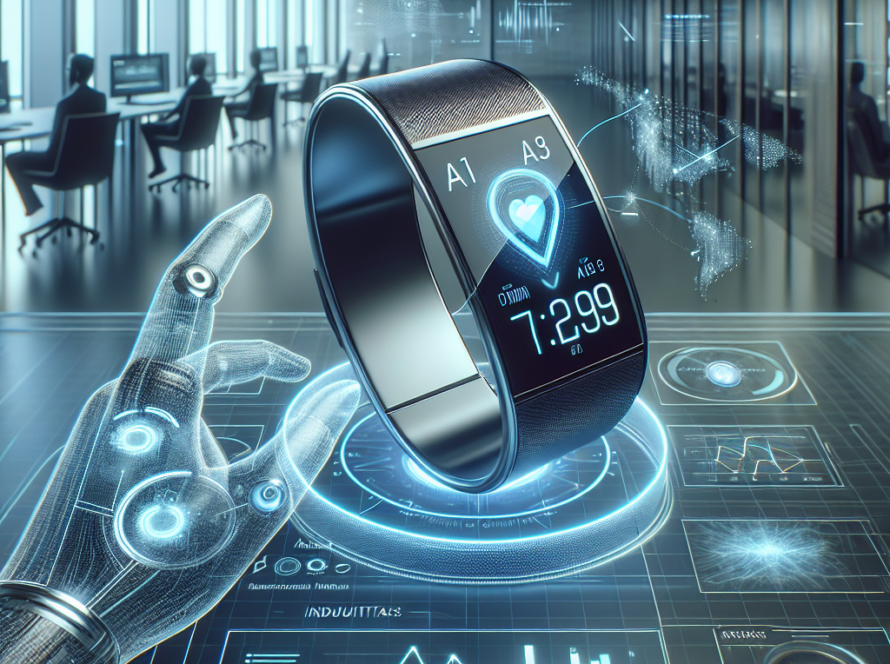
In wearables, these chipsets enable sophisticated health monitoring and personalized feedback without compromising battery life. Similarly, edge computing systems leverage neural network chipsets for real-time data analysis, enhancing responsiveness in applications ranging from autonomous vehicles to industrial IoT. The ongoing developments are documented extensively, reflecting broader AI transformations across consumer electronics as highlighted here.
Energy Efficiency and Environmental Impact
Optimized Power Consumption
One of the most critical advancements in neural network chipsets is their optimized energy usage. These processors employ architectures that minimize power draw during intensive AI computations, making them ideal for battery-operated devices and sustainable electronics. This energy efficiency supports longer device lifespans, lower environmental impact, and broader deployment in portable and flexible electronics.
Supporting Flexible and Wearable Technologies
The synergy between neural network chipsets and flexible electronics is driving innovation in next-generation consumer tech. Flexible substrates combined with efficient AI processors enable lightweight, durable wearable devices with multifunctional AI capabilities. This intersection not only enhances user convenience but also opens up new markets for advanced electronics, as explored in recent developments in flexible electronics revolution.
Emerging Trends and Future Outlook
Specialized AI Processing Units
Looking forward, companies are investing in more specialized neural network chipsets tailored to particular AI workloads such as natural language processing, computer vision, and autonomous decision-making. These tailored chips provide even greater efficiency and performance, enabling the next wave of AI applications in consumer electronics.
Integration with Quantum and Edge Computing
Future chipset designs are expected to leverage advancements in quantum computing and low-latency edge deployments. This integration will elevate AI capabilities far beyond current limits, supporting complex tasks on-device and powering entirely new experiences.
Conclusion
Neural network chipsets represent a fundamental shift in electronics, enabling smarter, faster, and more energy-efficient devices. Their continued evolution is catalyzing innovation across consumer electronics sectors, from wearables to edge computing platforms. By embracing these advancements, manufacturers and developers can deliver unparalleled user experiences while aligning with sustainability goals. Monitoring future chipset innovations and strategic applications will be essential for maintaining competitive advantage in the fast-evolving tech landscape.
Frequently Asked Questions
What makes neural network chipsets different from traditional processors?
Neural network chipsets are optimized specifically for AI workloads, offering parallel processing capabilities and low-latency inference that traditional CPUs and GPUs cannot match in efficiency or speed.
How do neural network chipsets improve energy efficiency in devices?
They utilize specialized architectures that perform AI computations with reduced power consumption, allowing devices to run complex AI tasks without rapidly draining batteries.
Which consumer electronics are currently benefiting the most from these chipsets?
Smartphones, wearables, and edge devices are primary beneficiaries, gaining advanced AI features such as real-time voice recognition, health monitoring, and autonomous responses.
Are there challenges in integrating neural network chipsets into consumer devices?
Yes, challenges include balancing processing power with heat dissipation, ensuring compatibility with existing hardware, and managing costs associated with advanced chip designs.
Where can one learn about other AI-driven hardware transformations?
Insightful information about evolving AI hardware in consumer electronics can be found in dedicated analyses of AI-driven hardware transformations.