Key Takeaways
- Wearable tech in 2026 is revolutionizing health monitoring with advanced sensors and AI integration.
- Smartwatches now seamlessly sync with health apps to deliver personalized fitness and wellness insights.
- Wearable gadgets enhance daily lifestyle efficiency by combining diagnostics, notifications, and proactive health management.
- Innovations in wearables are expanding into both personal and professional environments, improving productivity and wellbeing.
Introduction
Wearable technology continues to evolve rapidly, transforming how individuals monitor their health and manage their lifestyles. In 2026, wearables are not just accessories but integral tools for tracking biometric data, diagnosing conditions early, and encouraging healthier behaviors. From smartwatches to advanced diagnostic devices, this technology helps users gain actionable insights through constant data collection and AI analysis. The integration of wearables with health apps enables real-time adjustments to fitness plans and proactive health management. As these devices become more sophisticated, they play an increasingly vital role in improving personal wellbeing and professional efficiency. This article explores the top trends in wearable tech, revealing how innovations are reshaping health monitoring and lifestyle enhancement in the near future.
Revolutionizing Health Monitoring with Wearable Tech
Advanced Sensor Technologies
Innovations in sensor technology are at the forefront of wearable health monitoring. Devices now incorporate multi-spectral sensors that can track vital signs such as heart rate variability, blood oxygen levels, glucose trends, and hydration status with greater accuracy. These sensors facilitate early detection of potential health issues, empowering users to take timely preventative measures. The integration of AI algorithms allows real-time interpretation of complex data streams, providing personalized health recommendations tailored to individual lifestyles.
Smartwatch Integration with Health Ecosystems
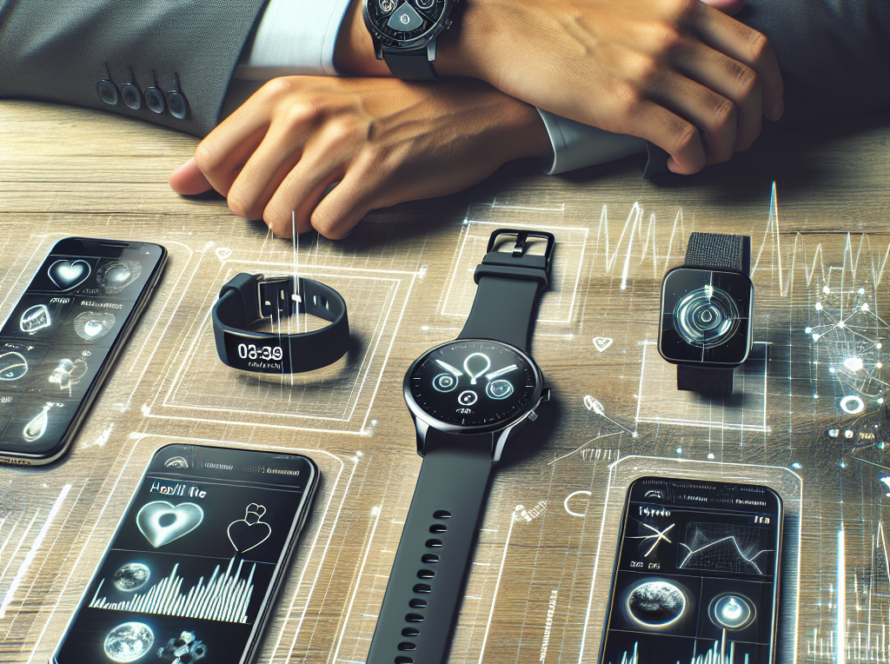
Smartwatches, leading wearable devices, have enhanced integration with mobile and cloud-based health applications, enabling a holistic approach to fitness and wellness. This synchronization supports comprehensive health monitoring across multiple parameters and promotes behavioral changes through alerts and coaching. Seamless data exchange between devices fosters more effective management of chronic conditions and encourages adherence to personalized fitness goals. For a broader look at innovations impacting electronics, see our coverage on Top Trending Electronics and Gadgets of 2026.
Improving Lifestyle Efficiency Through Wearables
Daily Activity and Productivity Enhancements
Wearable gadgets are increasingly designed to optimize not only health but also daily productivity. Features such as adaptive notifications, gesture controls, and context-aware reminders streamline both personal and professional routines. This technology assists users in managing stress, maintaining focus, and balancing work-life demands through subtle behavioral nudges, ultimately improving overall lifestyle efficiency.
Wellness and Diagnostics Innovations
Emerging wearable solutions incorporate diagnostic capabilities that were once limited to clinical environments. Portable EKG monitors, stress-level trackers, and sleep analyzers deliver medical-grade insights on the go. This democratization of diagnostics empowers users to monitor their health parameters continuously and share accurate reports with healthcare professionals remotely. Explore more about smart living enhancements in our article on Smart Home Trends 2026, showcasing how wearables and connected environments coalesce.
Enhancing Personal and Professional Life
Wearables in the Workplace
Beyond individual health, wearable technology is becoming a valuable asset in professional environments. Employers adopt wearables for workforce health monitoring, ergonomics assessments, and stress management, helping to reduce absenteeism and boost productivity. Connected devices facilitate collaboration and ensure employee wellbeing through personalized feedback and adaptive workload management.
Future Outlook and Implementation Strategies
To fully leverage wearable tech, businesses and individuals should focus on integrating devices into daily health routines and work processes. Choosing gadgets that align with user goals and ensuring interoperability with existing health apps and platforms is key. Continued advancements in AI analytics and sensor miniaturization will further enhance the role of wearables, making them indispensable tools for a healthier, more efficient future.
Conclusion
Wearable technology in 2026 represents a paradigm shift in health monitoring and lifestyle management. Enhanced sensor capabilities, AI-driven insights, and seamless integration with health ecosystems enable personalized, proactive health decisions. These advancements extend beyond fitness, fostering improvements in productivity, wellness diagnostics, and work-life balance. Embracing these innovations offers significant benefits for personal health and professional environments alike, positioning wearables as essential tools in the modern digital landscape.
Frequently Asked Questions
What are the key trends driving wearable tech innovations in 2026?
The key trends include advanced multi-sensor integration, AI-powered data analysis, enhanced health app interoperability, and the expansion of wearables into professional wellness and diagnostics.
How do smartwatches improve fitness tracking with health apps?
Smartwatches pair with health apps to provide real-time biometric data, personalized insights, and behavioral coaching, enabling users to adjust fitness routines dynamically for better outcomes.
Can wearable devices replace traditional health diagnostics?
While wearables offer convenient health monitoring and early detection, they complement rather than replace clinical diagnostics by providing continuous data for more informed healthcare decisions.
How do wearables enhance productivity in the workplace?
Wearables assist workplace efficiency by tracking stress, encouraging healthy breaks, monitoring posture, and facilitating communication, which collectively improve focus and reduce burnout.
What should consumers consider when choosing wearable tech?
Consumers should evaluate device accuracy, app compatibility, battery life, comfort, and specific health or productivity goals to select wearables that best fit their needs.